
Before We Meet
Take the Wholehearted Inventory before our first session.
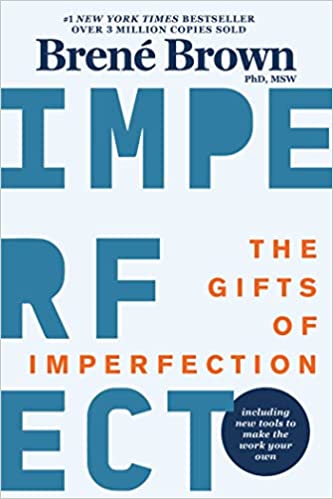
Assigned Reading
- 2010 edition: Preface and Introduction (pp. ix–xv and 1–6)
- 2020 edition: 10th Anniversary Note (pp. xiii–xx), Preface (pp. xxi–xxix), Introduction (pp. 3–10)
Discussion Questions
- Dr. Brown defines wholehearted living as “engaging in our lives from a place of worthiness.” How have feelings of unworthiness negatively impacted your recovery?
- What do you typically do when you are stressed, exhausted, and overwhelmed? How could you handle it better?
- What do you think living wholeheartedly would look like for you?
- Would anyone like to share anything about their Wholehearted Inventory results?
- Where are you now in your perfectionism journey?
Session 1: Introduction
Homework — Read for Session 2
Courage, Compassion, and Connection
- 2010: pages 7–21
- 2020: pages 11–31
Discussion Questions
- Dr. Brown says, “Practicing courage, compassion and connection in our daily lives is how we cultivate worthiness.” How do you cultivate worthiness in your life?
- How do you practice courage in recovery?
- Of the many ways to not practice compassion listed (2010: pp. 10–11; 2020: pp. 15–16), which do you have the most trouble with?
- What do you feel vulnerable about when you practice ordinary courage?
- How do you self-protect in response to your own or someone else’s pain?
- How are boundaries and compassion connected for you? How do you separate people from their behaviors?
- How do you experience connection in recovery? How do you cultivate connection within the recovery community?
Session 2
Homework — Read for Session 3
Exploring the Power of Love, Belonging, and Being Enough
- 2010: pages 23–30
- 2020: pages 32–42
Discussion Questions
- Can you think of times when you truly belonged versus times when you were just fitting in? How do they feel different?
- Does your sense of worthiness have any prerequisites? What are they?
- What things do you change about yourself to fit in?
- What do you think about the line: “Love is not something we give or get; it is something we nurture and grow…”?
- Is it easier to fully accept your loved ones than it is to accept yourself? Why do you think that is?
- Can we love others more than we love ourselves?
Session 3
Homework — Read for Session 4
The Things That Get in the Way
- 2010: pages 31–47
- 2020: pages 43–65
Discussion Questions
- What things get in the way of your happiness in program?
- How have feelings of shame affected your recovery?
- How has fear affected your recovery?
- How has vulnerability affected your recovery?
- How are anxiety and expectation related for you — in your abstinence? In your recovery?
- Do you agree with the statement: “Shame loses power when it is spoken.” Did your Step 5 experience decrease your feelings of shame?
Session 4
Homework — Read for Session 5
Guidepost #1: Cultivating Authenticity — Letting Go of What People Think
- 2010: pages 49–54
- 2020: pages 66–73
Guidepost #2: Cultivating Self-Compassion — Letting Go of Perfectionism
- 2010: pages 55–62
- 2020: pages 74–83
Discussion Questions
- What are some of your difficulties in being your authentic self?
- How does not being your authentic self affect your food addiction?
- What sorts of things are you perfectionistic about?
- How does perfectionism affect your food addiction and recovery?
- Does your self-talk help or hurt your recovery?
- What are some examples of your self-talk?
Session 5
Homework — Read for Session 6
Guidepost #3: Cultivating a Resilient Spirit — Letting Go of Numbing and Powerlessness
- 2010: pages 63–75
- 2020: pages 84–100
Guidepost #4: Cultivating Gratitude and Joy — Letting Go of Scarcity and Fear of the Dark
- 2010: pages 77–85
- 2020: pages 101–112
Discussion Questions
- Do you believe you can actually do something to manage your feelings and cope better? Why or why not?
- What gives you hope for your own recovery? Can you see that hope is a conscious choice — that it can be learned?
- How do you practice awareness of your feelings of “never good enough?” How do you give yourself a more realistic view of yourself?
- Have you learned how to lean into and learn from your emotional discomfort? How do you approach it now?
- How do you practice gratitude?
- Do you have any feelings of scarcity around your abstinence, program, and recovery?
Session 6
Homework — Read for Session 7
Guidepost #5: Cultivating Intuition and Trusting Faith — Letting Go of the Need for Certainty
- 2010: pages 87–92
- 2020: pages 113–119
Guidepost #6: Cultivating Creativity — Letting Go of Comparison
- 2010: pages 74–83
- 2020: pages 120–126
Discussion Questions
- How does your need for certainty silence your intuition?
- How does your faith help you cope with the uncertainties of life?
- Do you practice creativity? How do you bring creativity into your program?
- How does comparison or competition affect your program and recovery?
- Does stifling your creativity negatively affect your program and recovery? How?
Session 7
Homework — Read for Session 8
Guidepost #7: Cultivating Play and Rest — Letting Go of Exhaustion as a Status Symbol and Productivity as Self-Worth
- 2010: pages 99–104
- 2020: pages 127–133
Guidepost #8: Cultivating Calm and Stillness — Letting Go of Anxiety as a Lifestyle
- 2010: pages 105–110
- 2020: pages 134–140
Discussion Questions
- What are the things on your joy and meaning list? (page 102)
- What is on your “goals to accomplish” list?
- How do those two lists compare? Anything surprise you?
- What sorts of things do you do when you play?
- Is the statement “Anxiety is extremely contagious” true for you? Is calm contagious too? How about recovery — is it contagious?
Session 8
Homework — Read for Session 9
Guidepost #9: Cultivating Meaningful Work — Letting Go of Self-Doubt and “Supposed To”
- 2010: pages 111–116
- 2020: pages 141–148
Guidepost #10: Cultivating Laughter, Song, and Dance — Letting Go of Being Cool and “Always in Control”
- 2010: pages 117–124
- 2020: pages 149–158
Optional: Take the Unique Strengths test at viacharacter.org to identify your top 5 personal strengths — we will discuss these in session.
Discussion Questions
- Would anyone like to share their top 5 strengths from the online test?
- What are some of your self-doubts and “supposed tos” that negatively affect your recovery?
- What makes you come alive? What fires up your spirit? Could this be your meaningful work?
- How do you use laughter, song, and dance in your life?
- Which is more important to you: looking cool or being in control? Why?
- Any final thoughts or shares on this book?
Session 9
Next step: Sign up for Zooming Through the Big Book.